Exclusive Content:

Home Blog Page 36

Discover Your True Calling with the Power Quadrant System Program

0


Are you ready to discover your true calling? The Power Quadrant System Program is here to help you unlock your full potential and find your ultimate purpose in life. With a proven track record of success, this program offers a unique approach to personal development that is guaranteed to transform your life.

Recent studies have shown that individuals who align their careers with their true passions are not only happier but also more successful in their chosen field. The Power Quadrant System Program is designed to guide you towards discovering your true calling by helping you identify your natural talents and unique strengths. Say goodbye to feeling lost or stuck in a job that doesn’t fulfill you – it’s time to unleash your full potential and live the life you were meant to lead.

Descrição da Imagem 1


Unlock Your Full Potential with the Power Quadrant System Program

Unlocking your full potential with the Power Quadrant System Program is a transformative journey towards discovering your true self and harnessing your unique abilities. This program is designed to help you uncover your hidden talents, understand your strengths, and align your actions with your natural gifts. By participating in this program, you will embark on a path of self-discovery and personal growth.

To get started with the Power Quadrant System Program, you can visit their official website and sign up for the program. The website provides detailed information about the program’s benefits, testimonials from previous participants, and an overview of the content you can expect to explore.

Step-by-Step Guide:

  1. Visit the Power Quadrant System Program website.
  2. Review the program details and benefits.
  3. Sign up for the program and create your account.
  4. Follow the instructions provided to access the program materials.
  5. Engage with the content, complete the exercises, and reflect on your discoveries.

Transform Your Life and Find Your Ultimate Purpose

Transforming your life and finding your ultimate purpose is a profound journey that requires deep introspection, clarity, and alignment with your core values. The Power Quadrant System Program offers a structured approach to help you identify your purpose, set meaningful goals, and create a life that resonates with your authentic self.

To begin the transformation process, start by exploring the program’s modules and exercises that are specifically designed to guide you towards uncovering your ultimate purpose. These exercises will challenge you to reflect on your passions, values, and aspirations, leading to a greater sense of direction and fulfillment.

Step-by-Step Guide:

  1. Dedicate time each day to engage with the program materials.
  2. Reflect on the questions presented in the exercises and journal your thoughts.
  3. Set aside quiet time for meditation and contemplation to connect with your inner self.
  4. Identify patterns and themes that emerge from your reflections to gain insight into your ultimate purpose.
  5. Take inspired action towards aligning your life with your purpose and goals.

Identify Your Natural Talents and Unleash Your Full Potential

Identifying your natural talents is a key step towards unlocking your full potential and living a purposeful life. The Power Quadrant System Program offers a framework for assessing your strengths, talents, and unique qualities, allowing you to leverage these attributes to achieve personal and professional success.

Through a series of assessments and exercises, you will gain clarity on your natural talents and how you can harness them to make a positive impact in your life and the lives of others. By acknowledging and nurturing your talents, you will unleash a powerful force within you that propels you towards your goals.

Step-by-Step Guide:

  1. Complete the talent assessment exercises provided in the program.
  2. Seek feedback from trusted friends, family members, or mentors on your strengths and talents.
  3. Set specific goals that leverage your natural talents and align with your aspirations.
  4. Practice and hone your talents through regular engagement and learning opportunities.
  5. Celebrate your successes and milestones as you unlock your full potential.

Descrição da Imagem 2


Uncover Your Hidden Talents with the Power Quadrant System Program

Are you feeling like there is untapped potential within you waiting to be discovered? The Power Quadrant System Program is designed to help you uncover your hidden talents and unlock your full potential. By utilizing this program, you will be able to identify your unique strengths and talents that have been lying dormant within you. Through a series of exercises and assessments, you will gain valuable insights into what makes you truly special and how you can leverage these gifts to achieve greater success in life.

Imagine being able to pinpoint exactly what you are meant to do in this world and how you can make a significant impact. The Power Quadrant System Program acts as a guide to help you navigate towards your true calling and purpose. By following the steps outlined in the program, you will be able to align your passions with your talents, setting you on a path towards fulfillment and success.

Uncovering your hidden talents is not just about realizing what you are good at; it’s about understanding the unique combination of skills and abilities that set you apart from others. The Power Quadrant System Program provides you with the tools and resources to delve deep into your psyche and unearth the qualities that make you exceptional. With this newfound self-awareness, you can confidently pursue opportunities that resonate with your true self, leading to a more fulfilling and authentic life.

As you progress through the Power Quadrant System Program, you will start to see patterns emerging in your talents and strengths. You will begin to connect the dots between your innate abilities and how they can be applied in various aspects of your life. By embracing these revelations, you will be empowered to make decisions that are in alignment with your true self, ultimately leading to a more purposeful and rewarding existence.

Unlocking your hidden talents with the Power Quadrant System Program is a transformative journey that will not only change how you perceive yourself but also how you engage with the world around you. Embrace the opportunity to uncover your unique gifts and talents, and watch as doors open to new and exciting possibilities.

Awaken Your Inner Calling and Embrace Your True Path

Do you ever feel like there is a deeper purpose calling out to you, but you’re unsure of how to embrace it? The Power Quadrant System Program serves as a catalyst for awakening your inner calling and guiding you towards your true path in life. Through introspection and self-discovery, this program helps you tap into your innermost desires and aspirations, leading you towards a more meaningful and fulfilling existence.

By embarking on the journey of self-exploration with the Power Quadrant System Program, you will uncover the passions and interests that have been quietly beckoning you. As you delve into the depths of your soul, you will unearth the values and beliefs that define who you are at your core. This process of awakening your inner calling will ignite a sense of purpose within you, propelling you towards a life filled with authenticity and fulfillment.

Embracing your true path is not just about following a predetermined trajectory; it’s about aligning your actions with your innermost desires and beliefs. The Power Quadrant System Program equips you with the tools and insights necessary to navigate towards your true calling with confidence and clarity. By listening to the whispers of your heart and soul, you will discover the path that resonates most deeply with who you are meant to be.

As you awaken your inner calling and embrace your true path, you will experience a profound sense of alignment and purpose. You will no longer feel adrift in the vast sea of life but instead anchored to your authentic self. By following the guidance provided by the Power Quadrant System Program, you will step into your true potential and walk the path that was meant for you all along.

Allow yourself the opportunity to awaken your inner calling and embrace your true path with the Power Quadrant System Program. Discover the joy and fulfillment that come with living a life that is in harmony with your deepest desires and aspirations.

Maximize Your Strengths and Achieve Your Life’s Purpose

Have you ever felt like there is more you could be doing with your talents and abilities, but you’re not sure how to harness them effectively? The Power Quadrant System Program empowers you to maximize your strengths and align them with your life’s purpose. By recognizing and leveraging your unique capabilities, you can unlock a world of opportunities and achieve greater fulfillment in all areas of your life.

Maximizing your strengths is not just about excelling in a particular skill; it’s about understanding how your innate talents can be leveraged to create a life of meaning and impact. The Power Quadrant System Program provides you with a roadmap for identifying your strengths and honing them to their fullest potential. By focusing on what you do best, you can catapult yourself towards success and fulfillment.

As you delve into the Power Quadrant System Program, you will gain a deeper understanding of the unique strengths that set you apart from others. You will learn how to capitalize on these strengths in different aspects of your life, from your career to your relationships. By aligning your actions with your strengths, you will be able to pursue opportunities that play to your natural abilities, leading to a more rewarding and satisfying life.

Achieving your life’s purpose is a journey that requires you to leverage your strengths and talents in service of a greater cause. The Power Quadrant System Program guides you towards this realization by helping you identify how your strengths can be used to make a positive impact on the world. By maximizing your strengths and aligning them with your purpose, you can live a life that is not only successful but also deeply meaningful.

Take the first step towards maximizing your strengths and achieving your life’s purpose with the Power Quadrant System Program. Embrace the power of your unique talents and abilities, and unlock the doors to a future filled with purpose, fulfillment, and success.

**

Conclusion

**

Unleash the Power Quadrant System Program and embark on a transformative journey of self-discovery. Through this unique program, you can uncover your hidden talents, align with your innermost desires, and maximize your strengths to achieve greater success and fulfillment in life.

By delving into the depths of your psyche with the Power Quadrant System Program, you will unearth the qualities that make you exceptional. This newfound self-awareness will empower you to pursue opportunities that resonate with your true self, leading to a more authentic and purposeful existence.

Embrace the guidance provided by the Power Quadrant System Program to awaken your inner calling, align with your true path, and unlock the doors to a future filled with purpose, fulfillment, and success. Take the first step towards living a life in harmony with your deepest desires and aspirations, and watch as you step into your true potential.



Reality Engineering Code: The Ultimate Manifestation Solution for Achieving Abundant Living!

0


Are you ready to unlock the power of Reality Engineering Code and manifest the abundant living you’ve always dreamed of? This ultimate manifestation solution is designed to help you achieve your goals and live a life of prosperity and abundance.

With the Reality Engineering Code, you can reprogram your subconscious mind to attract success, wealth, and happiness effortlessly. Say goodbye to self-limiting beliefs and welcome a new reality where anything is possible. Get ready to transform your life with this groundbreaking manifestation technique!

Descrição da Imagem 1


Unlock the Power of Reality Engineering Code

Reality Engineering Code is a powerful tool that can help you manifest your desires and transform your life. By using this innovative technique, you can reprogram your subconscious mind and remove any limiting beliefs that are holding you back from success. In order to unlock the power of Reality Engineering Code, follow these simple steps:

Step 1: Understand the Basics

Before you can start using Reality Engineering Code, it’s important to have a clear understanding of how it works. You can find detailed information and tutorials on this technique on the official Reality Engineering website. Make sure to familiarize yourself with the principles behind this code before moving on to the next steps.

Step 2: Download the App

To make the most of Reality Engineering Code, download the official app from the App Store or Google Play Store. The app provides a user-friendly interface where you can input your intentions and goals. This will help you create powerful affirmations and visualizations to support your manifestation journey.

Step 3: Set Your Intentions

Once you have the app installed, take some time to set your intentions clearly. Write down what you want to manifest in your life, whether it’s financial abundance, better relationships, or improved health. By being specific about your desires, you can focus the power of Reality Engineering Code more effectively.

Step 4: Use the Code Daily

Make it a daily practice to use Reality Engineering Code to reinforce your intentions. Spend a few minutes each day visualizing your goals as if they have already been achieved. Repeat positive affirmations and immerse yourself in the feelings of gratitude and abundance. Consistency is key to unlocking the full potential of this technique.

Step 5: Track Your Progress

Keep track of the changes happening in your life as you continue to apply Reality Engineering Code. Note any synchronicities, opportunities, or shifts in your mindset. The app also allows you to log your manifestations and progress, providing a visual representation of how this technique is shaping your reality.

Manifest Abundant Living with Ease

Manifesting abundant living with ease is possible when you harness the power of manifestation techniques like Reality Engineering Code. By following these steps, you can create a life filled with prosperity, joy, and fulfillment:

Step 1: Practice Gratitude Daily

Start your day by expressing gratitude for the abundance that already exists in your life. Use a gratitude journal or the Gratitude app to write down at least three things you are thankful for every morning. Cultivating a mindset of gratitude sets the stage for attracting more abundance into your life.

Step 2: Visualize Your Ideal Life

Take time each day to visualize your ideal living situation in vivid detail. Picture yourself living in a beautiful home, driving your dream car, and enjoying financial freedom. The more specific and immersive your visualizations are, the more power they have to manifest your desires.

Step 3: Practice Affirmations

Use positive affirmations to affirm your abundant living on a daily basis. Repeat statements like “I am worthy of abundance” or “Money flows to me effortlessly” throughout the day. The Reality Engineering Code app provides a feature where you can create customized affirmations tailored to your goals.

Step 4: Take Inspired Action

While manifestation techniques are powerful, they work best when combined with inspired action. Take steps towards your goals, whether it’s starting a new business, investing in yourself, or networking with like-minded individuals. Manifesting abundant living with ease also requires you to actively pursue opportunities that come your way.

Step 5: Release Resistance

Let go of any doubts, fears, or limiting beliefs that may be blocking the flow of abundance into your life. Use techniques like meditation, visualization, or energy healing to release resistance and open yourself up to receiving. The Reality Engineering Code helps in identifying and clearing these blocks to manifesting with ease.

Descrição da Imagem 2


Unlock the Power of Reality Engineering Code

Reality Engineering Code is a revolutionary technique that allows you to unlock the true potential of your reality. By utilizing this powerful method, you can manifest your desires with ease and precision. Whether you are looking to improve your career, relationships, or overall well-being, Reality Engineering Code can help you achieve your goals.

To tap into the power of Reality Engineering Code, start by setting clear intentions for what you want to manifest in your life. Focus on specific, achievable goals and visualize them as if they have already come to fruition. By aligning your thoughts and emotions with your desired outcomes, you can begin to attract them into your reality.

Next, implement daily practices that support your manifestation efforts. This could include meditation, affirmations, or visualization exercises. The key is to maintain a positive mindset and stay aligned with your intentions. Consistency is key when working with Reality Engineering Code, so make sure to dedicate time each day to reinforce your manifestations.

As you continue to work with Reality Engineering Code, you may start to notice synchronicities and signs that your desires are coming to fruition. Trust in the process and remain open to receiving abundance in all areas of your life. By harnessing the power of this groundbreaking technique, you can unlock new possibilities and transform your reality in profound ways.

Unlock the power of Reality Engineering Code today and start manifesting the life of your dreams with ease and grace. Embrace this transformative technique and witness the abundant blessings that flow into your life effortlessly.

Manifest Abundant Living with Ease

Abundant living is not just about material wealth, but also encompasses a sense of fulfillment, joy, and peace in all areas of your life. With the help of Reality Engineering Code, you can manifest abundance with ease and grace. This groundbreaking technique allows you to align with the frequency of prosperity and attract wealth in all its forms.

To manifest abundant living with ease, it is important to cultivate a mindset of abundance. Practice gratitude daily and focus on the blessings that surround you. By shifting your perspective to one of abundance, you open yourself up to receiving more of the good things life has to offer.

Incorporate affirmations and positive thinking into your daily routine to reinforce your belief in abundance. Repeat affirmations such as “I am worthy of all the abundance the universe has to offer” or “Money flows to me effortlessly and abundantly.” These positive statements can help reprogram your subconscious mind and align your energy with prosperity.

Visualize yourself living a life of abundance in vivid detail. Imagine your dream home, successful career, loving relationships, and vibrant health. Feel the emotions associated with these visions as if they are already a reality. By immersing yourself in the feelings of abundance, you send a powerful signal to the universe that attracts prosperity into your life.

With Reality Engineering Code as your guide, manifesting abundant living becomes a natural and effortless process. Trust in the power of this technique and watch as your reality transforms before your eyes. Embrace the flow of abundance and live a life filled with prosperity, joy, and fulfillment.

Conclusion

In conclusion, Reality Engineering Code is a transformative technique that empowers individuals to manifest their desires with precision and ease. By setting clear intentions, visualizing achievable goals, and maintaining a positive mindset, anyone can tap into the power of this groundbreaking method. Consistency and dedication are key in working with Reality Engineering Code, allowing individuals to attract abundance in all areas of their lives.

Furthermore, manifesting abundant living with ease through Reality Engineering Code goes beyond material wealth, encompassing fulfillment, joy, and peace. By cultivating a mindset of abundance, practicing gratitude, and incorporating affirmations into daily routines, individuals can align with the frequency of prosperity. Visualizing a life of abundance in detail and immersing oneself in those positive emotions is essential in attracting prosperity effortlessly.

With Reality Engineering Code as a guiding tool, individuals can unlock new possibilities, transform their realities, and live lives filled with prosperity and fulfillment. Embracing this transformative technique and trusting in its power enables individuals to witness the flow of abundance and blessings effortlessly entering their lives. Start your journey with Reality Engineering Code today and unlock the life of your dreams!


Understanding the Differences Between Type 2 Diabetes and Type 1 Diabetes

0


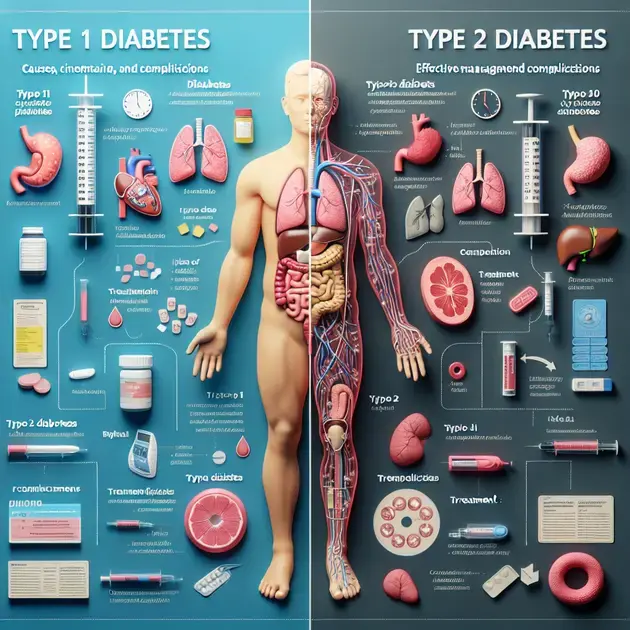
Understanding the Differences Between Type 2 Diabetes and Type 1 Diabetes is crucial for individuals looking to manage their condition effectively. With the prevalence of diabetes on the rise globally, distinguishing between these two types is essential for proper treatment and care.

While Type 1 Diabetes is typically diagnosed in childhood and is an autoimmune disease where the body does not produce insulin, Type 2 Diabetes is more common in adults and is characterized by insulin resistance. Recognizing the disparities between these conditions is fundamental in developing personalized approaches to health management.

Descrição da Imagem 1

**Key Differences in Onset and Diagnosis**

Identifying the differences in the onset and diagnosis of various conditions

Understanding the key characteristic differences in onset:

When it comes to the onset of different medical conditions, it is crucial to note that each condition may have unique characteristics. For example, while some conditions may have a sudden onset with immediate symptoms, others may have a more gradual onset, making it challenging to pinpoint the exact starting point. One way to identify these differences is by observing the timeline of symptoms and consulting with a healthcare professional.

To understand the diagnosis aspect, it is essential to consider the methods used to diagnose different conditions. Some conditions may require specific diagnostic tests such as blood work, imaging scans, or genetic testing, while others may rely more on clinical observations and medical history. By understanding these differences in diagnosis, individuals can seek the appropriate medical attention and treatment for their condition.

Key steps to identifying onset and diagnosis:

1. Researching reliable medical websites or apps such as WebMD or Mayo Clinic to gather information on common symptoms and diagnostic procedures for various conditions.

2. Keeping track of personal symptoms and onset timeline to provide accurate information to healthcare providers during consultations.

3. Seeking multiple opinions from healthcare professionals to ensure a comprehensive evaluation and accurate diagnosis.

4. Utilizing health tracking apps like HealthTap or Ada to monitor symptoms and receive personalized recommendations based on reported data.

5. Participating in support groups or online forums related to specific medical conditions to interact with individuals who have similar experiences and gain insights into onset and diagnosis processes.

Risk Factors and Population Affected

Examining the risk factors associated with different conditions and their impact on the population:

Understanding the risk factors for various medical conditions is essential for identifying individuals who may be more susceptible to developing these conditions. Risk factors can range from genetic predispositions and lifestyle choices to environmental exposures and underlying health conditions. By recognizing these risk factors, healthcare professionals can implement preventive measures and early interventions to reduce the burden of disease on the population.

Moreover, assessing the population affected by specific conditions involves analyzing demographic data, prevalence rates, and epidemiological trends. Certain conditions may disproportionately affect certain age groups, genders, or ethnicities, highlighting the importance of targeted healthcare strategies and public health initiatives.

Strategies to address risk factors and support affected populations:

1. Utilizing risk assessment tools like the Framingham Risk Score or the Gail Model to evaluate individual risk factors and develop personalized prevention plans.

2. Collaborating with community organizations and public health agencies to implement awareness campaigns and educational programs targeting at-risk populations.

3. Engaging in genetic counseling services or genomic testing through platforms like 23andMe or Color to assess hereditary risk factors and guide healthcare decisions.

4. Advocating for policy changes and social interventions that address the social determinants of health and promote equitable access to healthcare services for all population groups.

5. Participating in clinical trials and research studies focused on understanding the impact of risk factors on disease outcomes and developing innovative prevention strategies.

Treatment Approaches and Management Strategies

Exploring the diverse treatment approaches and management strategies for various medical conditions

When it comes to treating different conditions, healthcare professionals may utilize a combination of medical interventions, lifestyle modifications, and supportive therapies to manage symptoms and improve patient outcomes. The treatment approach may vary depending on the specific condition, severity of symptoms, and individual patient preferences.

Moreover, effective management strategies play a crucial role in ensuring long-term health and well-being for individuals with chronic or complex conditions. These strategies may involve regular monitoring, medication adherence, healthy lifestyle choices, and coordinated care from multidisciplinary healthcare teams.

Implementing practical steps for treatment and management:

1. Consulting with healthcare providers to discuss personalized treatment options based on the latest medical guidelines and research findings.

2. Utilizing telehealth platforms like Teladoc or Amwell for virtual consultations and remote monitoring of treatment progress.

3. Engaging in self-care practices such as mindfulness meditation, physical exercise, and dietary modifications to support overall health and symptom management.

4. Seeking second opinions or specialized care from experts in the field through healthcare networks like Cleveland Clinic or Johns Hopkins Medicine.

5. Participating in support groups or therapy sessions to connect with individuals facing similar health challenges and receive emotional support during the treatment and recovery process.

Descrição da Imagem 2

Key Differences in Symptoms and Complications

When it comes to the key differences in symptoms and complications associated with the management of blood sugar levels, it is important to understand how individual factors play a role in the overall experience. Symptoms of high blood sugar, also known as hyperglycemia, may include increased thirst, frequent urination, fatigue, and blurred vision. On the other hand, symptoms of low blood sugar, or hypoglycemia, can manifest as confusion, dizziness, sweating, and trembling.

Complications of unmanaged blood sugar levels can be serious and may lead to long-term health issues. High blood sugar over time can result in damage to the eyes, kidneys, nerves, and heart. Conversely, low blood sugar can lead to seizures, loss of consciousness, and in severe cases, coma.

Managing blood sugar levels effectively involves a combination of medication, diet, exercise, and regular monitoring. Individuals with diabetes must work closely with healthcare providers to develop a comprehensive plan that addresses their unique needs and circumstances. By paying attention to symptoms and taking proactive steps to control blood sugar levels, individuals can reduce the risk of complications and improve their overall quality of life.

In conclusion, understanding the key differences in symptoms and complications related to blood sugar management is crucial for individuals with diabetes. By recognizing the signs of high and low blood sugar and taking appropriate action, individuals can better manage their condition and prevent long-term complications.

Management of Blood Sugar Levels

Effective management of blood sugar levels is essential for individuals with diabetes to prevent complications and maintain overall health. This involves a multi-faceted approach that includes medication, diet, exercise, and regular monitoring of blood sugar levels. Medications such as insulin or oral hypoglycemic agents may be prescribed to help regulate blood sugar levels.

Diet plays a crucial role in managing blood sugar levels, as certain foods can cause spikes or drops in blood sugar. A balanced diet that includes a variety of fruits, vegetables, lean proteins, and whole grains can help stabilize blood sugar levels. Monitoring carbohydrate intake is also important, as carbohydrates can have a significant impact on blood sugar levels.

Regular exercise is another key component of managing blood sugar levels. Physical activity helps the body use insulin more effectively, which can lead to better blood sugar control. Aim for a combination of aerobic exercises, such as walking or cycling, and strength training exercises to improve overall health and blood sugar management.

Monitoring blood sugar levels regularly is essential to track progress and make adjustments as needed. Testing blood sugar levels at home using a glucometer allows individuals to see how their diet, medication, and physical activity impact their blood sugar levels. By staying informed and proactive, individuals can better manage their blood sugar levels and reduce the risk of complications.

Prevention and Lifestyle Changes

Preventing complications related to blood sugar levels involves making lifestyle changes that support overall health and well-being. This includes maintaining a healthy weight, eating a balanced diet, staying active, and avoiding smoking and excessive alcohol consumption. By taking these steps, individuals can reduce the risk of developing complications associated with diabetes.

Weight management is particularly important for individuals with diabetes, as excess weight can make it harder to control blood sugar levels. By following a healthy eating plan and incorporating regular exercise into their routine, individuals can achieve and maintain a healthy weight that supports blood sugar control.

Incorporating stress-reducing activities, such as yoga or meditation, into daily life can also help manage blood sugar levels. High levels of stress can impact blood sugar levels, so finding healthy ways to cope with stress is crucial for overall health and well-being. Additionally, getting an adequate amount of sleep each night is important for maintaining healthy blood sugar levels.

Overall, prevention of complications related to blood sugar levels requires a holistic approach that addresses diet, exercise, stress management, and other lifestyle factors. By making proactive choices and taking control of their health, individuals with diabetes can reduce the risk of complications and enjoy a higher quality of life.

Conclusion

In conclusion, effective management of blood sugar levels is crucial for individuals with diabetes to prevent complications and maintain overall health. By understanding the key differences in symptoms and complications associated with blood sugar management, individuals can take proactive steps to control their condition and improve their quality of life.

Managing blood sugar levels involves a holistic approach that includes medication, diet, exercise, and regular monitoring. By working closely with healthcare providers to develop a comprehensive plan tailored to their unique needs, individuals can reduce the risk of long-term complications and ensure better blood sugar control.

Preventing complications related to blood sugar levels requires lifestyle changes such as maintaining a healthy weight, following a balanced diet, staying active, and managing stress. By incorporating these changes into daily life, individuals with diabetes can significantly reduce the risk of developing complications and enjoy an improved quality of life.

Product Description Link
Sugar Defender
Sugar Defender – New Affiliate Contest! Advanced formula with 24 ingredients for healthy glucose and weight loss support.
Dentavim
Dentavim – Brand New Dental Offer! Nature’s secret for healthy teeth & gums; boost confidence with powerful nutrients!
LeanBiome
LeanBiome – BRAND NEW Weight Loss Offer!! Support healthy weight loss naturally with LeanBiome’s latest formula.
iGenics iGenics – Hot New Vision Offer Premium health solutions for a vibrant life. Experience wellness like never before!


Understanding the Differences Between Type 1 Diabetes and Type 2 Diabetes

0


Type 1 and Type 2 diabetes are both conditions that affect how your body regulates blood sugar. However, they differ in their causes, treatments, and who they primarily affect. Understanding the distinctions between these two types of diabetes is crucial in managing and treating the condition effectively.

Type 1 diabetes is an autoimmune disease where the immune system attacks and destroys insulin-producing cells in the pancreas. On the other hand, Type 2 diabetes is often linked to lifestyle factors such as obesity and lack of physical activity. While Type 1 diabetes is typically diagnosed in childhood or adolescence, Type 2 diabetes is more commonly diagnosed in adults, although it is increasingly being seen in younger populations due to rising obesity rates.

Descrição da Imagem 1

Key Differences Between Type 1 and Type 2 Diabetes

Type 1 and Type 2 Diabetes are two distinct conditions with different causes and management strategies. Here are the key differences between the two:

1. Cause:

Type 1 Diabetes is an autoimmune condition where the immune system attacks the insulin-producing cells in the pancreas. On the other hand, Type 2 Diabetes is often caused by a combination of genetic and lifestyle factors, such as obesity and lack of physical activity. To understand more about the causes, you can visit the American Diabetes Association website.

2. Age of Onset:

Type 1 Diabetes is usually diagnosed in children and young adults, while Type 2 Diabetes is more commonly diagnosed in adults over the age of 45. However, due to rising obesity rates, Type 2 Diabetes is increasingly being diagnosed in younger individuals as well. To learn about the age differences, you can check out the Mayo Clinic’s article on Diabetes types.

3. Treatment Approach:

Individuals with Type 1 Diabetes require insulin therapy to survive as their bodies do not produce insulin. In contrast, Type 2 Diabetes can often be managed with oral medications, diet, and exercise, although some individuals may also require insulin. To get more information on treatment approaches, you can explore the NHS website’s section on Diabetes treatments.

4. Risk Factors:

Key risk factors for Type 1 Diabetes include family history and genetics, while risk factors for Type 2 Diabetes include obesity, sedentary lifestyle, and age. Understanding the risk factors can help in prevention and early detection. You can find detailed information on risk factors on the Centers for Disease Control and Prevention (CDC) website.

5. Complications:

Complications of Type 1 and Type 2 Diabetes can include heart disease, kidney damage, nerve damage, and vision problems. However, the risk and severity of complications differ between the two types. Learning about the potential complications can motivate individuals to manage their condition effectively. For more insights on complications, you can refer to the National Institute of Diabetes and Digestive and Kidney Diseases (NIDDK) website.

Causes and Risk Factors of Type 1 and Type 2 Diabetes

Understanding the causes and risk factors of Type 1 and Type 2 Diabetes is crucial for prevention and management. Here’s a detailed look at the factors involved:

1. Genetics:

Type 1 Diabetes has a strong genetic component, with individuals having specific genes that increase their risk of developing the condition. In contrast, Type 2 Diabetes has a more complex genetic interplay, influenced by multiple genetic variants. For information on genetic factors, you can visit the Genetics Home Reference website.

2. Lifestyle Factors:

While genetics play a significant role, lifestyle factors such as diet and physical activity are crucial in the development of Type 2 Diabetes. Making healthy lifestyle choices, including a balanced diet and regular exercise, can help reduce the risk of Type 2 Diabetes. You can find practical tips on lifestyle changes on the Diabetes UK website.

3. Obesity:

Obesity is a major risk factor for Type 2 Diabetes, as excess body fat can lead to insulin resistance and impaired glucose metabolism. Managing weight through diet and exercise is essential in preventing and managing Type 2 Diabetes. To learn more about the link between obesity and diabetes, you can explore the Obesity Action Coalition website.

4. Gestational Diabetes:

Women who develop Gestational Diabetes during pregnancy are at increased risk of developing Type 2 Diabetes later in life. Understanding the link between Gestational Diabetes and Type 2 Diabetes is essential for postpartum care and long-term health. You can find detailed information on Gestational Diabetes on the American Pregnancy Association website.

5. Ethnicity:

Some ethnic groups, such as African Americans, Hispanic Americans, and Native Americans, have a higher prevalence of Type 2 Diabetes due to genetic, lifestyle, and socioeconomic factors. Tailoring prevention and management strategies based on ethnicity can help address disparities in diabetes care. You can refer to the Diabetes Care journal for research on diabetes prevalence among different ethnic groups.

Diagnosis and Management of Type 1 vs. Type 2 Diabetes

Diagnosing and managing Type 1 and Type 2 Diabetes involve different approaches to ensure optimal health outcomes. Here’s a detailed guide on the diagnosis and management strategies for each type:

1. Diagnosis:

Diagnosing Type 1 Diabetes often involves blood tests to measure glucose levels and assess insulin production. On the other hand, diagnosing Type 2 Diabetes may require additional tests such as fasting glucose tests and oral glucose tolerance tests. Understanding the diagnostic process is crucial for early detection and treatment. You can find diagnostic guidelines on the American Diabetes Association website.

2. Monitoring:

Individuals with Type 1 Diabetes require regular monitoring of blood glucose levels throughout the day to adjust insulin doses and manage blood sugar levels. For Type 2 Diabetes, self-monitoring of blood glucose levels may be necessary, along with periodic HbA1c tests to assess long-term glucose control. To learn more about monitoring techniques, you can explore the Endocrine Society’s Clinical Practice Guidelines.

3. Medication:

Insulin therapy is the mainstay of treatment for Type 1 Diabetes, with different insulin types and delivery methods available. For Type 2 Diabetes, oral medications such as metformin are commonly prescribed, along with other classes of drugs like sulfonylureas and DPP-4 inhibitors. Getting insights into the medications can help individuals adhere to their treatment plans. You can check the FDA website for information on approved diabetes medications.

4. Diet and Exercise:

A balanced diet rich in fruits, vegetables, lean proteins, and whole grains is essential for both Type 1 and Type 2 Diabetes management. Regular physical activity helps improve insulin sensitivity and overall health. Developing personalized diet and exercise plans in consultation with healthcare providers can enhance diabetes management. You can find diet and exercise recommendations on the American Heart Association website.

5. Complications Prevention:

Preventing complications such as heart disease, kidney damage, and nerve damage is a key aspect of diabetes management. Regular screenings, lifestyle modifications, and adherence to medication regimens can help reduce the risk of complications. Understanding the importance of preventive measures can empower individuals to take control of their health. For comprehensive guidelines on complications prevention, you can refer to the National Diabetes Education Program website.

Descrição da Imagem 2

Symptoms and Complications of Type 1 Versus Type 2 Diabetes

When it comes to the symptoms and complications of Type 1 versus Type 2 diabetes, there are some key differences to be aware of. Type 1 diabetes is typically diagnosed in children and young adults and is considered an autoimmune condition where the body attacks the insulin-producing beta cells in the pancreas. Symptoms of Type 1 diabetes can include frequent urination, extreme thirst, unexplained weight loss, fatigue, and blurred vision.

On the other hand, Type 2 diabetes is more commonly diagnosed in adults and is often associated with lifestyle factors such as poor diet and lack of exercise. Symptoms of Type 2 diabetes may develop more slowly and can include frequent infections, slow-healing wounds, increased hunger, and darkened skin in certain areas of the body.

Complications of both types of diabetes can be serious if not properly managed. These can include heart disease, kidney damage, nerve damage, and vision problems. It is important for individuals with diabetes to work closely with their healthcare team to monitor blood sugar levels and make lifestyle adjustments to prevent complications.

Overall, understanding the symptoms and complications of Type 1 versus Type 2 diabetes is crucial for effective management and prevention of serious health issues associated with these conditions.

Lifestyle Modifications for Type 1 and Type 2 Diabetes Management

Managing Type 1 and Type 2 diabetes requires a combination of medical treatment and lifestyle modifications. For Type 1 diabetes, insulin therapy is essential to maintain proper blood sugar levels. However, lifestyle modifications such as following a healthy diet, engaging in regular physical activity, and monitoring blood sugar levels are also crucial.

For Type 2 diabetes, lifestyle modifications play an even more significant role. These can include weight management through a balanced diet and exercise, monitoring carbohydrate intake, and making healthy food choices. Regular physical activity is key to improving insulin sensitivity and managing blood sugar levels effectively.

Additionally, stress management techniques and adequate sleep can also contribute to better diabetes management. Making sustainable lifestyle changes can help individuals with Type 1 and Type 2 diabetes lead healthier and more active lives while reducing the risk of complications associated with these conditions.

By focusing on healthy habits and consistent self-care, individuals with diabetes can improve their overall well-being and reduce the impact of the disease on their daily lives.

Prevention Strategies for Type 1 and Type 2 Diabetes

While Type 1 diabetes is not preventable due to its autoimmune nature, there are some strategies that can help reduce the risk of developing Type 2 diabetes. Maintaining a healthy weight through a balanced diet and regular exercise is crucial in preventing Type 2 diabetes, as obesity is a significant risk factor for the disease.

Limiting the intake of processed foods, sugary beverages, and foods high in unhealthy fats can also lower the risk of developing Type 2 diabetes. Choosing whole foods, such as fruits, vegetables, whole grains, and lean proteins, can support overall health and reduce the likelihood of insulin resistance.

Regular physical activity is another important aspect of diabetes prevention. Engaging in activities such as walking, jogging, cycling, or swimming can help improve insulin sensitivity and reduce the risk of developing Type 2 diabetes. Even small lifestyle changes, such as taking the stairs instead of the elevator or parking further away from a destination, can make a difference.

By adopting a healthy lifestyle that includes a balanced diet, regular exercise, and stress management techniques, individuals can take proactive steps to prevent or delay the onset of Type 2 diabetes and improve their overall health and well-being.

Conclusion

In conclusion, understanding the symptoms and complications of Type 1 and Type 2 diabetes is crucial for effective management and prevention of serious health issues associated with these conditions. Type 1 diabetes, often diagnosed in children and young adults, is an autoimmune condition affecting insulin-producing beta cells, while Type 2 diabetes is more common in adults and often linked to lifestyle factors.

Managing diabetes involves a blend of medical treatment and lifestyle adjustments. For Type 1 diabetes, insulin therapy is essential, along with a healthy diet and regular physical activity. Lifestyle modifications are even more critical for Type 2 diabetes, emphasizing weight management, healthy food choices, and exercise to enhance insulin sensitivity and blood sugar control.

Prevention strategies for Type 2 diabetes focus on maintaining a healthy weight through balanced nutrition and regular exercise while limiting processed foods and sugary beverages. Engaging in physical activities like walking or swimming can help reduce the risk of developing Type 2 diabetes. By adopting a healthy lifestyle, individuals can proactively prevent or delay the onset of Type 2 diabetes and improve their overall well-being.

Product Description Link
Metanail Complex
Metanail Complex – New Top Nail Offer Transform your nails and feet with Metanail’s 20-in-1 essential formula!
NeuroPrime
NeuroPrime – Powerful Brand New Brain Health Supplement for 2024! Support your memory function with NeuroPrime’s unique blend of ingredients.
Ageless Knees
Ageless Knees Relieve knee pain and strengthen your knees with Ageless Knees! Only $67 today!
ErecPrime ErecPrime – New Affiliate Contest! Claim your discounted ErecPrime now while stock lasts!


Are Healthy Meal Plans for Weight Loss Really Effective?

0


Are you tired of trying different diets without seeing results?
Discover the truth about using healthy meal plans for weight loss. Adhering to a well-balanced eating regimen can be a game-changer for your fitness journey.
Let’s explore whether these meal plans are truly effective for shedding those extra pounds.

Descrição da Imagem 1


Are Healthy Meal Plans Worth the Hype?

Healthy meal plans have gained popularity in recent years for their potential benefits in weight management and overall health improvement. These meal plans involve carefully curated recipes and portion sizes to ensure you are getting the right nutrients without overeating.

If you are looking to try a healthy meal plan, consider using the “Mealime” app, a convenient platform that offers personalized meal plans based on your dietary preferences and health goals. Simply download the app, input your information, and start exploring the wide range of healthy recipes available.

By following a structured meal plan, you can avoid impulsive and unhealthy food choices, leading to better control of your calorie intake and potential weight loss. With the help of technology, sticking to a healthy eating routine has never been easier.

Remember, the effectiveness of a healthy meal plan relies not only on the recipes provided but also on your commitment to following it consistently. Stay motivated and track your progress to see the positive impact it can have on your overall well-being.

Start your journey to a healthier lifestyle today by giving a try to a reputable meal planning service like “Mealime” and experience the benefits firsthand.

Exploring the Effectiveness of Healthy Meal Plans for Weight Loss

Weight loss can be a challenging journey, but incorporating a healthy meal plan into your routine can significantly enhance your efforts. Healthy meal plans are designed to support weight loss by offering nutritious and balanced meals that cater to your specific dietary needs.

If you are unsure where to begin, consider using the “MyFitnessPal” app, a popular tool that not only tracks your food intake but also provides personalized meal plans and recipes to help you achieve your weight loss goals.

Healthy meal plans often focus on whole foods, lean proteins, and plenty of fruits and vegetables to ensure you are fueling your body with the right nutrients while keeping calories in check. By following a structured meal plan, you can establish healthier eating habits that can lead to sustainable weight loss.

Monitoring your progress is key to understanding the effectiveness of the meal plan you choose. Apps like “MyFitnessPal” allow you to track your meals, exercise, and weight loss journey all in one place, giving you a clear picture of your overall health and wellness.

Embark on your weight loss journey with confidence by incorporating a reliable and comprehensive meal planning tool like “MyFitnessPal” into your daily routine, and witness the positive impact it can have on your health and fitness goals.

The Science Behind Healthy Meal Plans for Weight Loss

Healthy meal plans are not just about counting calories; they are rooted in science and nutrition principles that support weight loss and overall well-being. These meal plans are designed by nutrition experts to provide the optimal balance of macronutrients and micronutrients to fuel your body efficiently.

When looking for evidence-based meal plans, turn to reputable sources like the “DietSensor” app, a revolutionary tool that uses spectroscopy technology to analyze the nutritional content of your meals and offers personalized recommendations for healthier eating.

The science behind healthy meal plans focuses on creating a calorie deficit while ensuring your body receives essential nutrients to function properly. By following a well-structured meal plan, you can achieve weight loss in a sustainable manner without compromising your health.

Apps like “DietSensor” not only provide meal planning support but also educate you on the nutritional value of different foods, helping you make informed choices that align with your weight loss goals.

Take advantage of the science-backed approach to healthy eating by incorporating a tool like “DietSensor” into your daily routine, and witness the transformative power of a well-balanced and personalized meal plan on your weight loss journey.

Descrição da Imagem 2


The Benefits of Incorporating Healthy Meals Into Your Weight Loss Journey

When embarking on a weight loss journey, incorporating healthy meal plans is crucial for long-term success. Healthy meal plans for weight loss are designed to provide your body with essential nutrients while also helping you achieve your weight goals. By opting for nutritious foods and balanced meals, you can experience a myriad of benefits that support your overall well-being and weight management.

One significant benefit of following healthy meal plans for weight loss is improved energy levels. Foods rich in nutrients such as vitamins, minerals, and antioxidants can boost your energy levels, helping you stay active and motivated throughout the day. Additionally, these foods can enhance your metabolism, making it easier for your body to burn calories and support weight loss.

Furthermore, incorporating healthy meals into your weight loss journey can lead to better digestion and gut health. Fiber-rich foods, lean proteins, and healthy fats can promote a healthy gut microbiome, improving digestion and reducing bloating. A well-functioning digestive system is essential for effective weight management and overall health.

In addition to physical benefits, healthy meal plans can also have a positive impact on your mental well-being. Nutrient-dense foods like fruits, vegetables, whole grains, and lean proteins can support brain health and cognitive function. By fueling your body with the right nutrients, you can enhance your mood, focus, and concentration, making it easier to stay on track with your weight loss goals.

Overall, incorporating healthy meals into your weight loss journey can transform not only your body but also your mind, helping you achieve sustainable and long-lasting results. By prioritizing nutritious foods and balanced meal plans, you can experience improved energy levels, better digestion, and enhanced mental well-being, all of which are essential for successful weight management.

Simple Tips for Creating Sustainable and Delicious Meal Plans

Developing sustainable and delicious meal plans is key to maintaining a healthy eating routine for weight loss. By following these simple tips, you can create meal plans that are not only nutritious but also enjoyable, making it easier to stick to your weight loss goals.

Step 1: Start by planning your meals in advance to ensure you have a variety of healthy options throughout the week. Include a mix of fruits, vegetables, whole grains, lean proteins, and healthy fats to create balanced and satisfying meals.

Step 2: Experiment with different flavors and cooking techniques to keep your meals interesting. Try new recipes, spices, and seasonings to add variety to your meals and prevent boredom with your healthy eating routine.

Step 3: Focus on portion control to avoid overeating and maintain a calorie deficit for weight loss. Use measuring cups, food scales, or visual cues to ensure you are consuming the right portion sizes for your meals.

Step 4: Incorporate snacks into your meal plans to keep hunger at bay and prevent overindulging during main meals. Opt for nutrient-dense snacks like nuts, fruits, yogurt, or raw vegetables to satisfy cravings and provide energy between meals.

By following these simple tips and being mindful of your food choices, you can create sustainable and delicious meal plans that support your weight loss journey. Prioritize nutrient-rich foods, experiment with flavors, practice portion control, and include healthy snacks to maintain a healthy eating routine that is both satisfying and beneficial for your overall well-being.

Maximizing Results: How to Stay Consistent with Healthy Eating for Weight Loss

Consistency is key when it comes to healthy eating for weight loss. By following these strategies, you can stay on track with your healthy meal plans and maximize your results, ensuring long-term success in your weight loss journey.

Step 1: Set realistic and achievable goals for your healthy eating habits. Start by making small changes to your diet and gradually incorporate healthier options into your meal plans. Celebrate your progress and stay motivated by tracking your achievements along the way.

Step 2: Create a support system by sharing your goals with friends, family, or a health professional. Having a support network can help hold you accountable and provide encouragement during challenging times. Consider joining a weight loss group or online community for additional motivation and guidance.

Step 3: Practice mindful eating by paying attention to your hunger cues, eating slowly, and savoring each bite. Be mindful of portion sizes and avoid distractions during meals to enhance your eating experience and prevent overeating.

Step 4: Stay hydrated throughout the day by drinking plenty of water and herbal teas. Proper hydration is essential for optimal digestion, metabolism, and overall health. Aim to drink at least 8-10 glasses of water daily to support your weight loss efforts.

By incorporating these strategies into your daily routine, you can stay consistent with healthy eating for weight loss and achieve your desired results. Focus on setting realistic goals, building a support system, practicing mindful eating, and staying hydrated to create a sustainable and effective approach to healthy eating that supports your weight loss journey.

**

Conclusion

**

Incorporating healthy meal plans into your weight loss journey offers numerous benefits that extend beyond just shedding pounds. By focusing on nutrient-rich foods, you can experience enhanced energy levels, improved digestion, and better mental well-being. These meal plans are designed to provide essential nutrients and support weight management effectively.

By following simple tips for creating sustainable and delicious meal plans, such as planning in advance, experimenting with flavors, controlling portions, and including healthy snacks, you can maintain a healthy eating routine that complements your weight loss goals. Additionally, staying consistent with healthy eating by setting realistic goals, building a support system, practicing mindful eating, and staying hydrated is crucial for maximizing results in your weight loss journey.

Exploring the effectiveness and science behind healthy meal plans for weight loss reveals the importance of balanced nutrition and creating a calorie deficit. Utilizing reputable meal planning apps like “Mealime,” “MyFitnessPal,” and “DietSensor” can provide personalized support, educational resources, and tracking capabilities to help you stay on track and achieve sustainable weight loss.

Embark on your journey to a healthier lifestyle today by incorporating science-backed, nutrient-dense meal plans into your routine. Remember that consistency, commitment, and a well-rounded approach to nutrition are key to long-term success in your weight loss endeavors. Prioritize your well-being, fuel your body with the right nutrients, and witness the transformative power of healthy meal plans in achieving your desired health and fitness goals.

By following these strategies and embracing the benefits of healthy meal plans, you can create a sustainable and effective approach to weight loss that not only transforms your body but also positively impacts your overall well-being. Stay committed, stay informed, and enjoy the journey to a healthier you!


Understanding the Differences Between Type 1 Diabetes and Type 2 Diabetes

0


Understanding the differences between Type 1 Diabetes and Type 2 Diabetes is crucial for effective management and treatment of these conditions. With Type 1 Diabetes, the immune system mistakenly attacks insulin-producing beta cells in the pancreas, resulting in little to no insulin production. On the other hand, Type 2 Diabetes is characterized by insulin resistance, where the body’s cells do not properly respond to insulin.

While both types of diabetes affect the body’s ability to regulate blood sugar levels, they differ in terms of onset, causes, and management strategies. Type 1 Diabetes is usually diagnosed in children and young adults, requiring lifelong insulin therapy. In contrast, Type 2 Diabetes is often associated with lifestyle factors such as obesity and physical inactivity, and can sometimes be managed through diet, exercise, and medication.

Descrição da Imagem 1

Understanding the Differences Between Type 1 Diabetes and Type 2 Diabetes: Onset, Causes, and Management Strategies

When it comes to understanding the differences between type 1 and type 2 diabetes, it’s crucial to consider their onset, causes, and management strategies. Type 1 diabetes is typically diagnosed in children and young adults, often appearing suddenly. The exact cause of type 1 diabetes is still unknown, but it is believed to be an autoimmune condition where the body attacks insulin-producing cells in the pancreas.

On the other hand, type 2 diabetes is more commonly diagnosed in adults and is often associated with lifestyle factors such as obesity, physical inactivity, and poor diet. Unlike type 1 diabetes, type 2 diabetes is characterized by insulin resistance, where the body’s cells do not respond effectively to insulin.

To effectively manage type 1 diabetes, individuals need to consistently monitor their blood sugar levels, administer insulin as prescribed by their healthcare provider, and maintain a healthy lifestyle. Apps like MySugr and Blood Glucose Tracker can help individuals track their blood sugar levels, log their food intake, and set medication reminders.

For type 2 diabetes, management strategies focus on lifestyle modifications such as regular exercise, healthy eating habits, and weight management. Apps such as MyFitnessPal and Fitbit can assist individuals in tracking their physical activity, monitoring their diet, and setting goals for weight loss or maintenance.

By understanding the differences in onset, causes, and management strategies between type 1 and type 2 diabetes, individuals can take proactive steps to effectively manage their condition and improve their overall health.

Impact on Insulin Production

The impact on insulin production is a key factor that distinguishes type 1 diabetes from type 2 diabetes. In type 1 diabetes, the immune system mistakenly attacks and destroys the insulin-producing beta cells in the pancreas. This results in little to no insulin production in the body, leading to a lifelong dependency on insulin therapy.

Conversely, in type 2 diabetes, insulin production may initially be normal or even elevated. However, the body’s cells become resistant to the action of insulin, leading to higher blood sugar levels. Over time, the pancreas may struggle to keep up with the increased demand for insulin, resulting in reduced insulin production.

Managing the impact on insulin production in type 1 diabetes involves regular insulin injections or the use of an insulin pump to replace the missing hormone. Continuous glucose monitoring systems like Dexcom G6 or FreeStyle Libre can help individuals with type 1 diabetes track their blood sugar levels in real-time and adjust their insulin doses accordingly.

For individuals with type 2 diabetes, treatment may initially involve oral medications to improve insulin sensitivity or stimulate insulin production. In some cases, insulin therapy may be prescribed if oral medications are no longer effective. Lifestyle changes, including diet and exercise, are also crucial in managing insulin production and blood sugar levels in type 2 diabetes.

Association with Lifestyle Factors

The association between diabetes and lifestyle factors is a critical aspect of managing both type 1 and type 2 diabetes. Lifestyle factors such as diet, physical activity, smoking, and stress can significantly impact the development and progression of diabetes.

Individuals with type 1 diabetes can benefit from a healthy lifestyle that includes a balanced diet, regular exercise, and stress management techniques. Monitoring carbohydrate intake and adjusting insulin doses accordingly is essential for managing blood sugar levels. Apps like Carbs & Cals and MyFitnessPal can help individuals with type 1 diabetes plan and track their meals, as well as monitor their physical activity.

For individuals with type 2 diabetes, lifestyle factors play a central role in disease management. Weight management through proper nutrition and regular exercise is crucial for improving insulin sensitivity and blood sugar control. Quitting smoking and reducing alcohol consumption can also have a positive impact on overall health. Apps such as Noom and Lose It! offer personalized nutrition and exercise plans to help individuals with type 2 diabetes make sustainable lifestyle changes.

By addressing lifestyle factors and making healthy choices, individuals with both type 1 and type 2 diabetes can better manage their condition, reduce complications, and improve their quality of life.

Descrição da Imagem 2

Key Differences in Symptoms and Diagnosis

When it comes to distinguishing between symptoms and diagnosing health conditions, understanding the key differences is crucial. Symptoms refer to the physical or mental manifestations that a person experiences, such as pain, fatigue, or dizziness. On the other hand, diagnosis involves the process of identifying the underlying cause of these symptoms, often through medical tests, examinations, and patient history.

For example, in the case of a rare medical condition related to the consumption of the world’s most expensive wines, symptoms may include severe headaches, nausea, and vision disturbances. However, accurately diagnosing the condition would require specialized tests to detect the specific toxins or substances present in the wine that are causing these symptoms.

It’s important to note that symptoms are subjective and can vary from person to person, while diagnosis aims to provide an objective explanation for these symptoms. Healthcare professionals rely on a combination of symptom assessment, medical history review, and diagnostic tests to determine the appropriate treatment plan for the patient.

Furthermore, the accuracy of the diagnosis heavily relies on the healthcare provider’s expertise, access to advanced medical technology, and the patient’s ability to effectively communicate their symptoms. In the case of complex conditions related to luxury wines, a multidisciplinary approach may be necessary, involving specialists in toxicology, neurology, and gastroenterology.

In conclusion, while symptoms offer clues to an underlying health issue, the process of diagnosis is essential for identifying and treating the root cause effectively. Understanding the key differences between symptoms and diagnosis is vital for providing quality healthcare and improving patient outcomes.

Long-Term Complications and Health Risks

Exploring the long-term complications and health risks associated with certain factors, such as consuming the world’s most expensive wines, can provide valuable insights into preventive measures and treatment strategies. Long-term complications refer to the adverse outcomes or conditions that develop over an extended period, often as a result of untreated or poorly managed health issues.

In the context of luxury wine consumption, individuals may face various health risks, including liver damage, cardiovascular problems, and neurological disorders. These complications can manifest gradually over time, impacting overall health and quality of life.

Moreover, understanding the correlation between long-term wine consumption and specific health risks requires thorough research, epidemiological studies, and clinical observations. Health professionals need to consider factors such as genetics, lifestyle choices, and environmental influences when assessing an individual’s susceptibility to these complications.

Preventive measures, such as moderation in wine consumption, regular health screenings, and lifestyle modifications, play a crucial role in reducing the risk of long-term complications. Early detection and intervention can help mitigate the impact of potential health risks and improve overall prognosis.

In summary, recognizing the long-term complications and health risks associated with certain behaviors, like indulging in the most expensive wines, underscores the importance of proactive healthcare management and informed decision-making. By addressing these risks proactively, individuals can promote their well-being and longevity.

Genetic Predisposition and Environmental Triggers

Genetic predisposition and environmental triggers play integral roles in influencing an individual’s susceptibility to various health conditions and diseases. Genetic predisposition refers to the inherent traits or characteristics inherited from parents that may increase the likelihood of developing certain conditions, such as reactions to rare and expensive wines

.

In the case of luxury wine consumption, individuals with a genetic predisposition to alcohol sensitivity or intolerance may experience adverse reactions, such as allergic responses, digestive issues, or neurological symptoms. Understanding one’s genetic makeup and family medical history can provide valuable insights into potential health risks and guide personalized healthcare recommendations.

On the other hand, environmental triggers encompass external factors that can stimulate or exacerbate health conditions, including exposure to specific substances, lifestyle choices, and dietary habits. In the scenario of rare wine-related reactions, environmental triggers may include the presence of allergens, contaminants, or additives in the wine that interact with an individual’s genetic predispositions.

Combining genetic testing with environmental assessments can help healthcare providers create tailored treatment plans and preventive strategies for individuals with heightened sensitivity to luxury wines. By identifying and addressing both genetic predisposition and environmental triggers, individuals can better manage their health and minimize potential risks.

.

In conclusion, the interplay between genetic predisposition and environmental triggers underscores the complex nature of human health and disease susceptibility. By understanding and addressing these factors, individuals can take proactive steps towards optimizing their well-being and minimizing adverse health outcomes.

conclusion

Understanding the differences between symptoms and diagnosis is crucial in the realm of healthcare. Symptoms serve as subjective indicators of an underlying health issue, while diagnosis involves a comprehensive process to identify the root cause objectively. Healthcare professionals rely on a combination of symptom assessment, medical history review, and diagnostic tests to provide effective treatment plans for patients. By recognizing these distinctions, the quality of care can be enhanced, leading to improved patient outcomes.

Long-Term Complications and Health Risks

Exploring the long-term implications of behaviors like consuming luxury wines sheds light on the associated health risks individuals may face. Complications such as liver damage, cardiovascular issues, and neurological disorders can develop gradually over time, impacting overall well-being. By understanding the correlation between prolonged wine consumption and specific health risks, preventative measures like moderation, regular health screenings, and lifestyle adjustments can help reduce the chances of long-term complications. Proactive healthcare management is key in mitigating risks and promoting longevity.

Genetic Predisposition and Environmental Triggers

The interplay between genetic predisposition and environmental triggers significantly influences an individual’s susceptibility to certain health conditions, such as reactions to rare wines. Familial traits inherited from parents may enhance the likelihood of adverse responses to substances like luxury wines. External factors like allergens and contaminants in the environment can exacerbate these reactions. Personalized treatment plans that consider genetic makeup and environmental influences are essential in managing health risks effectively. By addressing these factors, individuals can take proactive steps towards optimizing their well-being and minimizing adverse health outcomes.

Product Description Link
Cardio Shield
Cardio Shield Support healthy blood pressure naturally with Cardio Shield’s powerful formula.
Venoplus 8
VENOPLUS 8 – Support cardiovascular health with VenoPlus 8™, a powerful and energizing powder supplement.
RENEW
RENEW – Straight Fire, Son! Bizarre salt water trick dissolves belly fat overnight! Watch the free presentation now!
CelluCare CelluCare – New Breakthrough In Blood Sugar Science Discover CelluCare: 30-day supply for healthy skin. Save $100 today!


Understanding the Differences Between Type 1 Diabetes and Type 2 Diabetes

0


Understanding the differences between type 1 diabetes and type 2 diabetes is crucial for effectively managing these conditions. With type 1 diabetes, the body’s immune system attacks the insulin-producing beta cells in the pancreas, leading to little to no insulin production. On the other hand, type 2 diabetes is characterized by insulin resistance, where the body’s cells do not respond effectively to insulin.

Recent research has shown that individuals with type 1 diabetes are more likely to develop other autoimmune conditions, such as celiac disease and thyroid disorders, compared to those with type 2 diabetes. This highlights the importance of understanding the specific challenges and risks associated with each type of diabetes to provide tailored care and support for individuals living with these conditions.

Descrição da Imagem 1

Key Differences Between Type 1 and Type 2 Diabetes

When it comes to diabetes, understanding the key differences between Type 1 and Type 2 is crucial for effective management. Type 1 diabetes is an autoimmune condition where the body attacks its pancreas cells, leading to little to no insulin production. On the other hand, Type 2 diabetes is characterized by insulin resistance, where the body doesn’t effectively use insulin.

1. Symptoms: Type 1 diabetes often presents with sudden symptoms such as extreme thirst, weight loss, and fatigue, while Type 2 symptoms may develop gradually and include frequent urination, blurred vision, and slow wound healing.

2. Treatment: Type 1 diabetes requires daily insulin injections to manage blood sugar levels, while Type 2 diabetes may be managed through oral medications, lifestyle changes, and in some cases, insulin therapy.

3. Risk Factors: Type 1 diabetes is primarily genetic and not linked to lifestyle choices, whereas Type 2 diabetes is closely associated with obesity, poor diet, and sedentary lifestyle.

4. Age of Onset: Type 1 diabetes is often diagnosed in children and young adults, while Type 2 diabetes is more common in adults over the age of 45, though the age ranges are becoming more blurred.

5. Prevention: While Type 1 diabetes cannot be prevented, Type 2 diabetes may be delayed or prevented through maintaining a healthy weight, balanced diet, and regular physical activity.

Unique Risks Associated with Type 1 Diabetes

Type 1 diabetes poses unique risks and challenges compared to Type 2 diabetes, requiring specialized care and attention. Individuals with Type 1 diabetes have a higher risk of developing diabetic ketoacidosis (DKA), a serious condition characterized by high blood sugar levels and ketone buildup. It is crucial for individuals with Type 1 diabetes to regularly monitor their blood sugar levels and ketones to prevent DKA.

1. Hypoglycemia: People with Type 1 diabetes are more prone to hypoglycemia or low blood sugar episodes, which can lead to dizziness, confusion, and even loss of consciousness. It’s important for individuals with Type 1 diabetes to always carry fast-acting glucose sources to treat hypoglycemia promptly.

2. Long-Term Complications: Type 1 diabetes can increase the risk of long-term complications such as nerve damage, kidney disease, and cardiovascular issues if blood sugar levels are not well managed over time. Regular check-ups and monitoring are essential to prevent these complications.

3. Dietary Restrictions: Individuals with Type 1 diabetes need to carefully monitor their carbohydrate intake and meal timing to maintain stable blood sugar levels. Apps like MyFitnessPal and MySugr can help track food intake and blood sugar readings to aid in meal planning.

4. Continuous Glucose Monitoring: Utilizing continuous glucose monitoring systems like Dexcom or Freestyle Libre can provide real-time insights into blood sugar trends, helping individuals with Type 1 diabetes make informed decisions about their insulin dosages and lifestyle choices.

5. Mental Health Support: Managing a chronic condition like Type 1 diabetes can take a toll on mental health. Seeking support from therapists, diabetes educators, or online communities like Beyond Type 1 can provide emotional support and coping strategies.

Tailored Care for Type 1 and Type 2 Diabetes

Care for Type 1 and Type 2 diabetes should be personalized to address the specific needs and challenges of each condition. Tailored care involves considering individual lifestyle factors, preferences, and medical history to create a comprehensive treatment plan.

1. Healthcare Team: Building a multidisciplinary healthcare team that includes endocrinologists, dietitians, diabetes educators, and mental health professionals can ensure holistic care for individuals with diabetes.

2. Self-Management Education: Both Type 1 and Type 2 diabetes require ongoing education on monitoring blood sugar levels, administering insulin, managing medications, and making healthy lifestyle choices. Apps like Glucose Buddy and One Drop provide educational resources and tracking tools.

3. Regular Monitoring: Routine monitoring of blood sugar levels, blood pressure, cholesterol levels, and kidney function is essential for early detection of any complications and adjusting treatment plans accordingly. Devices like Accu-Chek and Omron can assist in monitoring these parameters.

4. Physical Activity: Encouraging regular physical activity tailored to individual preferences and capabilities can help improve insulin sensitivity, blood sugar control, and overall well-being. Fitness apps like Fitbit and Nike Training Club offer workout plans for all fitness levels.

5. Emotional Support: Living with diabetes can be challenging emotionally, and having access to support groups, counseling services, and mindfulness apps like Headspace or Calm can help individuals cope with the psychological impact of diabetes.

Descrição da Imagem 2

**Recognizing the Early Symptoms of Type 1 Diabetes**

Understanding the early signs

Recognizing the early symptoms of Type 1 Diabetes is crucial in ensuring timely diagnosis and treatment. Some common signs to watch out for include frequent urination, excessive thirst, unexplained weight loss, fatigue, and blurred vision. If you or someone you know experiences these symptoms, it is important to seek medical attention promptly.

Furthermore, individuals with Type 1 Diabetes may also experience increased hunger, irritability, and mood changes. These signs often develop rapidly and can be severe, requiring immediate intervention. Being aware of these early symptoms can help in managing the condition effectively.

To confirm a diagnosis of Type 1 Diabetes, healthcare professionals may conduct blood tests to measure glucose levels and assess the functioning of the pancreas. Early detection is key in preventing complications and maintaining overall health.

Education and awareness play a significant role in recognizing the early symptoms of Type 1 Diabetes. By staying informed and attentive to changes in the body, individuals can take proactive steps towards managing their health and well-being.

Remember, early detection and timely intervention can make a significant difference in the management of Type 1 Diabetes and improve the quality of life for those affected by the condition.

Seeking medical advice

If you suspect you or a loved one may be experiencing the early symptoms of Type 1 Diabetes, it is essential to consult a healthcare professional promptly. Medical experts can provide an accurate diagnosis, create a personalized treatment plan, and offer guidance on lifestyle adjustments to manage the condition effectively.

During the consultation, be prepared to discuss your symptoms, medical history, and any concerns you may have. Healthcare providers may recommend additional tests or screenings to confirm the diagnosis and tailor the treatment approach to your individual needs.

Remember that early intervention can help prevent complications and improve long-term outcomes for individuals with Type 1 Diabetes. By seeking medical advice promptly, you can take control of your health and well-being.

Regular check-ups and follow-up appointments are essential in monitoring the progression of Type 1 Diabetes and adjusting the treatment plan as needed. Collaborating with healthcare professionals can empower you to effectively manage the condition and lead a fulfilling life.

Don’t hesitate to reach out to your healthcare provider if you have any concerns about Type 1 Diabetes or require additional support. Your well-being is paramount, and professional guidance can make a significant difference in your journey towards health and wellness.

**Conclusion**

Recognizing the early symptoms of Type 1 Diabetes is crucial for timely diagnosis and treatment. Common signs such as frequent urination, excessive thirst, unexplained weight loss, fatigue, and blurred vision serve as red flags that should prompt immediate medical attention. Additionally, heightened hunger, irritability, and mood fluctuations may manifest rapidly, requiring swift intervention for effective management of the condition.

Healthcare professionals play a pivotal role in confirming a Type 1 Diabetes diagnosis through blood tests to evaluate glucose levels and pancreatic function. Early detection not only aids in preventing complications but also contributes to overall health maintenance. Education and awareness are key in empowering individuals to proactively manage their well-being by staying informed and attentive to bodily changes.

Seeking prompt medical advice is paramount if you suspect early symptoms of Type 1 Diabetes in yourself or a loved one. Consulting with healthcare experts enables accurate diagnosis, personalized treatment planning, and lifestyle adjustments tailored to individual needs. Early intervention significantly enhances long-term outcomes, emphasizing the importance of taking control of one’s health early on.

Regular check-ups and follow-ups are essential for monitoring the progression of Type 1 Diabetes and adapting treatment strategies accordingly. Collaborating with healthcare professionals not only facilitates effective condition management but also empowers individuals to lead fulfilling lives. Do not hesitate to communicate any concerns or seek additional support from your healthcare provider, as professional guidance is instrumental in navigating the journey toward health and wellness.

Remember, by recognizing early symptoms, seeking timely medical advice, and staying proactive in managing Type 1 Diabetes, individuals can substantially enhance their quality of life and mitigate potential health risks in the long run.

Product Description Link
Neuro-Thrive
Neuro-Thrive Brain Support Neuro-Thrive: Boost your memory and clarity with our limited time offer.
Metanail Complex
Metanail Complex – New Top Nail Offer Transform your nails and feet with Metanail’s 20-in-1 essential formula!
CogniCare Pro
CogniCare Pro – NEW Brain Power Boost your brainpower with CogniCare Pro—limited time discount!
iGenics iGenics – Hot New Vision Offer Premium health solutions for a vibrant life. Experience wellness like never before!


Is a Weight Loss and Exercise Program Right for You?

0


Exploring the Right Weight Loss and Exercise Program

Deciding whether a weight loss and exercise program aligns with your goals can be a daunting task. With endless options available, it’s crucial to evaluate what works best for you. This article delves into essential factors to consider when determining if embarking on a weight loss and exercise regimen is the right choice for your journey to a healthier lifestyle.

Descrição da Imagem 1


**Benefits of Incorporating a Weight Loss and Exercise Program**

When it comes to the benefits of incorporating a weight loss and exercise program into your routine, the advantages are vast. Not only will you experience improved physical health, but you will also notice enhanced mental well-being. Websites like MyFitnessPal offer comprehensive tools to track your progress and provide personalized recommendations for achieving your fitness goals.

By engaging in a structured program, you can expect increased energy levels, better sleep quality, and a boost in self-confidence. Apps like Nike Training Club offer a wide range of workout plans suitable for various fitness levels, making it easier to find a program that fits your needs and preferences.

Moreover, incorporating a weight loss and exercise program can help reduce the risk of chronic diseases such as heart disease, diabetes, and obesity. Utilizing resources like Fitbit can aid in monitoring your daily activity levels, setting achievable targets, and staying motivated throughout your fitness journey.

Additionally, participating in a program can lead to social benefits by connecting with like-minded individuals through online communities or fitness classes. Platforms like Strava allow users to join virtual challenges, share their progress, and engage with a supportive network of individuals pursuing similar health goals.

In summary, the benefits of integrating a weight loss and exercise program extend beyond physical transformations, encompassing mental well-being, disease prevention, social interactions, and overall improvements in quality of life. Leveraging tools provided by health and fitness websites can enhance your experience and maximize the positive outcomes of your wellness journey.

**Assessing Your Readiness for a Weight Loss and Exercise Program**

Evaluating Your Current Lifestyle

Before embarking on a weight loss and exercise program, it is essential to assess your current lifestyle and habits. Websites like Livestrong.com offer quizzes and assessments to help you evaluate your readiness for a fitness regimen. Understanding your daily routines, dietary patterns, and activity levels can provide valuable insights into areas that may require adjustments.

Setting Realistic Goals

Setting realistic and achievable goals is crucial when considering a weight loss and exercise program. Platforms like SparkPeople allow users to establish personalized objectives, track progress, and receive guidance on creating sustainable fitness plans. By defining clear and attainable goals, you can increase your motivation and stay focused on your health journey.

Consulting with Healthcare Professionals

Prior to starting a weight loss and exercise program, it is advisable to consult with healthcare professionals to ensure it is safe for you. Websites like Healthline provide valuable information on when to seek medical advice before beginning a new fitness routine. Seeking guidance from doctors or nutritionists can help customize a program that aligns with your individual health needs.

Exploring Resources and Support Systems

Exploring different resources and support systems can enhance your readiness for a weight loss and exercise program. Websites such as Verywell Fit offer articles, recipes, and community forums to help individuals kickstart their fitness journeys. Engaging with online platforms and seeking support from friends or family members can provide encouragement and accountability throughout your wellness transformation.

Tracking Progress and Adjusting Strategies

Monitoring your progress and being open to adjusting your strategies are key components of assessing readiness for a weight loss and exercise program. Applications like Lose It! offer tools for logging meals, tracking workouts, and monitoring weight changes. By regularly reviewing your results and making necessary modifications, you can ensure that your program remains effective and aligned with your evolving goals.

**Tips on Choosing the Right Weight Loss and Exercise Program**

Determining Your Preferences and Goals

When selecting a weight loss and exercise program, it is important to consider your preferences and goals. Websites like Beachbody provide a variety of programs catering to different fitness levels and objectives. By defining whether you prefer at-home workouts, group classes, or outdoor activities, you can narrow down the options that best suit your lifestyle.

Seeking Professional Guidance

Seeking professional guidance from certified trainers or nutritionists can help you choose the right weight loss and exercise program. Platforms like ACE Fitness offer directories to find accredited professionals who can provide expert advice and personalized fitness plans. Consulting with experts can ensure that the program you select aligns with your health objectives and physical capabilities.

Considering Program Sustainability

When evaluating weight loss and exercise programs, consider the sustainability of the approaches offered. Websites like Health.com provide insights on choosing programs that promote long-term lifestyle changes rather than quick fixes. Opting for programs that emphasize gradual progress, balanced nutrition, and sustainable habits can increase the likelihood of achieving lasting results.

Utilizing Tracking Tools and Progress Metrics

Choosing a program that offers tracking tools and progress metrics can enhance your fitness journey. Applications like MyPlate provide features to monitor food intake, exercise routines, and weight fluctuations. Selecting a program with built-in trackers can help you stay accountable, measure your advancements, and make informed decisions to optimize your results.

Exploring Community Support and Motivation

Exploring weight loss and exercise programs that offer community support and motivational resources can boost your commitment and progress. Websites such as MyFitnessPal host forums, challenges, and social features to connect with others pursuing similar health goals. Engaging with a supportive community can provide encouragement, accountability, and inspiration to stay dedicated to your fitness program.

Descrição da Imagem 2


Setting Realistic Goals for Your Weight Loss and Exercise Plan

When embarking on a weight loss and exercise program, setting realistic goals is fundamental for long-term success. It’s essential to establish achievable targets that align with your lifestyle, preferences, and capabilities. Instead of aiming for drastic changes, focus on gradual progress and sustainable habits.

Incorporating both short-term and long-term goals is key to maintaining motivation and tracking progress effectively. Short-term goals can include specific targets for each week or month, while long-term goals can outline the ultimate objectives you aim to reach over time.

To set realistic goals, consider factors such as your current fitness level, dietary preferences, and time availability for workouts. It’s important to be honest with yourself about what you can commit to and to avoid setting goals that are too ambitious and may lead to burnout.

Regularly reassessing and adjusting your goals is also crucial as your fitness journey progresses. Celebrate the milestones you achieve along the way and use setbacks as learning opportunities to refine your goals and strategies.

Overall, setting realistic goals for your weight loss and exercise program will help you stay focused, motivated, and committed to making sustainable lifestyle changes.

The Importance of Consistency in a Weight Loss and Fitness Routine

Consistency is key when it comes to achieving success in a weight loss and exercise program. By committing to a regular routine, you not only build healthy habits but also ensure continuous progress towards your fitness goals. Consistency helps to maintain momentum, prevent setbacks, and enhance overall results.

Consistency in your workouts and nutrition habits is essential for creating lasting changes in your body composition and overall health. By sticking to a consistent schedule and making exercise and healthy eating a priority, you establish a sustainable foundation for long-term success.

Consistency also plays a significant role in developing discipline and mental resilience. By showing up for your workouts and making healthy choices consistently, you strengthen your commitment to your goals and build the self-discipline needed to overcome challenges.

To stay consistent, create a workout schedule that fits your lifestyle and preferences, meal prep to ensure healthy eating habits, and find ways to stay motivated during times when it’s challenging to stick to your routine. Remember that small, consistent efforts add up to significant results over time.

Staying Motivated Throughout Your Weight Loss Journey

Maintaining motivation is vital for sustaining progress in your weight loss journey and exercise program. While initial excitement can fuel your efforts, staying motivated for the long haul requires strategies to overcome obstacles, stay focused, and renew your commitment to your goals.

Setting up a support system, whether through a workout buddy, fitness community, or online group, can provide encouragement, accountability, and motivation when you need it most. Surrounding yourself with like-minded individuals can help you stay inspired and on track.

Visualizing your goals, tracking your progress, and celebrating achievements are effective ways to stay motivated throughout your journey. By visualizing the success you want to achieve, monitoring your advancements, and acknowledging your hard work, you reinforce your determination and drive to keep going.

Changing up your routine, trying new workouts, and setting mini-goals can also reignite your motivation and prevent monotony. By adding variety to your workouts, challenging yourself with new exercises, and breaking down your goals into smaller milestones, you keep your journey exciting and engaging.

Remember that motivation fluctuates, and it’s normal to have ups and downs. By staying adaptable, resilient, and focused on your ultimate vision, you can navigate through challenges, stay motivated, and continue progressing towards your weight loss and fitness goals.

**Conclusion**

Incorporating a weight loss and exercise program into your lifestyle offers a myriad of benefits that extend beyond physical transformations. By engaging in structured programs and utilizing available tools and resources, individuals can expect improvements in their overall well-being, including enhanced mental health, increased energy levels, and better sleep quality. The use of fitness apps and platforms can provide personalized guidance and support, making it easier to stay motivated and track progress effectively.

Moreover, a weight loss and exercise program can contribute to disease prevention and reduce the risks of chronic conditions such as heart disease, diabetes, and obesity. By leveraging monitoring tools and engaging with online communities, individuals can find encouragement and accountability through their fitness journey, fostering a supportive network of like-minded individuals.

When assessing readiness for embarking on a weight loss and exercise program, factors such as current lifestyle evaluations, setting realistic goals, consulting with healthcare professionals, and exploring support systems play crucial roles. By taking these steps, individuals can create a solid foundation for success and ensure that their fitness journey aligns with their needs and health objectives.

Furthermore, choosing the right weight loss and exercise program involves considerations related to personal preferences, seeking professional guidance, understanding program sustainability, and utilizing tracking tools for progress monitoring. By selecting programs that cater to individual goals and provide ongoing support and motivation, individuals can increase their chances of achieving long-lasting results and building sustainable health habits.

In summary, the journey towards weight loss and fitness success requires commitment, consistency, and a holistic approach that addresses both physical and mental well-being. By staying motivated, setting realistic goals, and embracing the support of communities and resources, individuals can embark on a transformative wellness journey that enhances their quality of life and overall health.


Understanding Type 2 Diabetes Mellitus

0


Type 2 Diabetes Mellitus is a chronic condition that affects how your body metabolizes glucose. As the most common form of diabetes, it can lead to serious health issues if left untreated. Understanding Type 2 Diabetes Mellitus is crucial for properly managing the condition and minimizing its impact on your overall well-being.

Recent studies have shown a strong correlation between Type 2 Diabetes Mellitus and lifestyle factors such as diet and exercise. By making healthy choices and staying active, individuals can greatly reduce their risk of developing this disease. Educating yourself about the causes and symptoms of Type 2 Diabetes Mellitus is the first step towards taking control of your health.

Descrição da Imagem 1

Understanding the Link Between Diet and Type 2 Diabetes Mellitus

The Relationship Between Diet and Type 2 Diabetes Mellitus

Understanding the link between diet and Type 2 Diabetes Mellitus is crucial for effectively managing this condition. A balanced and healthy diet plays a significant role in controlling blood sugar levels and reducing the risk of complications associated with Type 2 Diabetes.

Step-by-Step Guide:

1. Start by consulting with a registered dietitian or healthcare provider to assess your current diet and receive personalized recommendations. Apps like MyFitnessPal and Lose It! can help track your daily food intake and monitor your nutritional goals.

2. Focus on consuming a variety of nutrient-dense foods such as fruits, vegetables, whole grains, lean proteins, and healthy fats. Apps like Fooducate can assist in making healthier food choices by providing nutritional information and product ratings.

3. Monitor your carbohydrate intake and choose complex carbs that are high in fiber to prevent spikes in blood sugar levels. Apps like CarbsControl and Glucose Buddy can help you track your carb intake and manage your diabetes more effectively.

4. Stay hydrated by drinking plenty of water throughout the day and limit the consumption of sugary beverages that can negatively impact blood sugar levels. Apps like WaterMinder and MyWater can help you track your daily water intake and stay hydrated.

5. Keep a food journal to track your meals, snacks, and blood sugar levels to identify patterns and make necessary adjustments to your diet. Apps like MyNetDiary and MySugr can assist in monitoring your food intake and blood glucose levels for better diabetes management.

The Importance of Regular Exercise in Managing Type 2 Diabetes Mellitus

Benefits of Exercise for Type 2 Diabetes Mellitus

Regular exercise is essential for managing Type 2 Diabetes Mellitus as it helps improve insulin sensitivity, control weight, and reduce the risk of cardiovascular complications. Incorporating physical activity into your daily routine can have significant benefits for overall health and diabetes management.

Step-by-Step Guide:

1. Consult with your healthcare provider before starting any exercise program to ensure it is safe and appropriate for your individual needs. Apps like Fitbit and Nike Training Club offer a variety of workout routines for different fitness levels.

2. Aim for a combination of aerobic exercises such as walking, cycling, or swimming, and strength training exercises to improve muscle mass and metabolic health. Apps like MyFitnessPal and MapMyRun can help track your workouts and set fitness goals.

3. Schedule regular exercise sessions throughout the week and gradually increase the intensity and duration of your workouts to improve fitness levels and diabetes control. Apps like Runkeeper and Strava can help you plan and track your exercise progress.

4. Monitor your blood sugar levels before and after exercise to prevent hypoglycemia and adjust your carbohydrate intake or insulin doses as needed. Apps like MySugr and Glucose Zone can assist in monitoring your blood glucose levels during physical activity.

5. Stay consistent with your exercise routine and find activities that you enjoy to maintain long-term adherence and reap the benefits of regular physical activity. Apps like Fitbod and Sweat can provide personalized workout plans to keep you motivated and engaged.

Taking Control: Learning the Causes and Symptoms of Type 2 Diabetes Mellitus

Understanding the Causes and Symptoms of Type 2 Diabetes Mellitus

Learning about the causes and symptoms of Type 2 Diabetes Mellitus is essential for early detection and effective management of this chronic condition. By understanding the risk factors and signs of diabetes, individuals can take proactive steps to prevent complications and improve their overall health.

Step-by-Step Guide:

1. Educate yourself about the risk factors for Type 2 Diabetes Mellitus, including genetics, obesity, sedentary lifestyle, and poor diet choices. Websites like the American Diabetes Association and the Centers for Disease Control and Prevention provide valuable information on diabetes prevention and management.

2. Recognize the common symptoms of Type 2 Diabetes Mellitus, such as increased thirst, frequent urination, fatigue, blurred vision, and slow wound healing. Apps like Sugar Sense and Blood Glucose Tracker can help monitor your symptoms and track changes in your health.

3. Get regular health screenings and blood tests to assess your blood sugar levels, cholesterol levels, and overall health status to detect any early signs of diabetes or related complications. Apps like Health2Sync and MyDiabetes can assist in monitoring your health metrics and sharing them with your healthcare provider.

4. Take steps to modify your lifestyle by adopting healthy habits such as eating a balanced diet, exercising regularly, managing stress, and getting enough sleep to reduce the risk of Type 2 Diabetes Mellitus and improve your quality of life. Apps like Headspace and Calm can help with stress management and relaxation techniques.

5. Seek support from healthcare professionals, diabetes educators, and online communities to stay informed about the latest research, treatment options, and lifestyle recommendations for effective diabetes management. Websites like Diabetic Living and Diabetes Daily offer valuable resources and support for individuals living with Type 2 Diabetes Mellitus.

Descrição da Imagem 2

**

Managing Stress Levels for Better Management of Type 2 Diabetes Mellitus

**

Managing stress levels is crucial for individuals with Type 2 Diabetes Mellitus as stress can significantly impact blood sugar levels. Stress triggers the release of hormones like cortisol and adrenaline, which can lead to insulin resistance, making it harder to control diabetes. To better manage Type 2 Diabetes, incorporate stress-reducing activities like meditation, yoga, or deep breathing exercises into your daily routine. These practices can help lower stress levels and improve overall diabetes management.

Additionally, proper time management and prioritization can also help reduce stress levels. Organizing tasks, setting realistic goals, and delegating responsibilities can prevent feelings of overwhelm and stress. Adequate sleep, regular exercise, and a balanced diet are also essential components of stress management for individuals with Type 2 Diabetes Mellitus. Prioritizing self-care and relaxation techniques can lead to better blood sugar control and overall well-being.

It is important to remember that stress is a normal part of life, but how we respond to it can make a significant difference in diabetes management. By incorporating stress management techniques into your daily routine, you can improve your overall health and well-being while effectively managing Type 2 Diabetes Mellitus.

Remember, a holistic approach that addresses both physical and emotional well-being is key to successfully managing stress levels for better control of Type 2 Diabetes Mellitus. By taking proactive steps to reduce stress and prioritize self-care, individuals can improve their quality of life and achieve better diabetes management outcomes.

In conclusion, by proactively managing stress levels through various techniques such as mindfulness, time management, and self-care practices, individuals with Type 2 Diabetes Mellitus can achieve better control over their condition and overall well-being.

**

Understanding the Role of Genetics in Type 2 Diabetes Mellitus Development

**

Genetics play a significant role in the development of Type 2 Diabetes Mellitus, with certain genetic factors predisposing individuals to this condition. Understanding the genetic component of diabetes can help individuals better comprehend their risk factors and potential complications. Genetic testing can provide valuable insights into an individual’s susceptibility to Type 2 Diabetes, enabling proactive measures to be taken for prevention and management.

Family history is a key indicator of genetic predisposition to Type 2 Diabetes. Individuals with close relatives who have diabetes are at a higher risk of developing the condition themselves. By being aware of familial genetic patterns, individuals can adopt lifestyle modifications and preventive measures to reduce their risk of developing diabetes.

Moreover, genetic research has identified specific genes and variants that are associated with an increased risk of Type 2 Diabetes Mellitus. Understanding these genetic markers can aid in personalized treatment approaches and targeted interventions for individuals at higher genetic risk. By combining genetic information with lifestyle modifications and medical management, individuals can optimize their diabetes management strategies.

It is essential for individuals with a family history of diabetes to stay informed about the genetic factors influencing Type 2 Diabetes development. By undergoing genetic testing and consulting with healthcare professionals, individuals can gain valuable insights into their genetic predisposition and make informed decisions regarding their diabetes management.

In conclusion, genetics play a crucial role in the development of Type 2 Diabetes Mellitus, impacting an individual’s risk of acquiring the condition. By understanding the genetic component of diabetes and taking proactive measures based on genetic insights, individuals can effectively manage and prevent the progression of Type 2 Diabetes.

**

Exploring Alternative Therapies for Type 2 Diabetes Mellitus Management

**

In addition to traditional medical approaches, alternative therapies can complement the management of Type 2 Diabetes Mellitus and improve overall health outcomes. Alternative therapies such as acupuncture, herbal supplements, and mindfulness practices have shown promising results in diabetes management by addressing various aspects of the condition.

Acupuncture, an ancient Chinese therapy involving the insertion of thin needles into specific points on the body, has been found to help regulate blood sugar levels and improve insulin sensitivity in individuals with Type 2 Diabetes. By stimulating key energy pathways, acupuncture can support overall diabetes management and enhance well-being.

Herbal supplements, such as cinnamon, bitter melon, and fenugreek, have been traditionally used to help lower blood sugar levels and improve insulin sensitivity. These natural remedies can be incorporated into a balanced diet to supplement medical treatments and enhance the overall management of Type 2 Diabetes Mellitus.

Mindfulness practices, including meditation, yoga, and tai chi, can also be beneficial for individuals with Type 2 Diabetes. These stress-reducing techniques promote relaxation, improve mental well-being, and help regulate blood sugar levels. By integrating mindfulness practices into daily routines, individuals can enhance their diabetes management strategies and overall quality of life.

Exploring alternative therapies offers individuals with Type 2 Diabetes Mellitus additional tools for managing their condition and promoting overall wellness. By combining traditional medical approaches with alternative therapies, individuals can create a comprehensive diabetes management plan that addresses multiple aspects of their health.

In conclusion, alternative therapies such as acupuncture, herbal supplements, and mindfulness practices can play a valuable role in the management of Type 2 Diabetes Mellitus. By exploring these complementary approaches in conjunction with conventional treatments, individuals can enhance their diabetes management strategies and improve their overall health outcomes.

**

Conclusion

**

In conclusion, managing stress levels is essential for individuals with Type 2 Diabetes Mellitus to maintain better control over their condition. By incorporating stress-reducing activities like meditation, yoga, and deep breathing exercises into daily routines, individuals can significantly improve their diabetes management. These practices not only help lower stress levels but also contribute to overall well-being.

Understanding the role of genetics in Type 2 Diabetes Mellitus development is crucial for individuals to comprehend their risk factors and take proactive measures for prevention. Genetic testing can provide valuable insights, enabling personalized treatment approaches and targeted interventions. Combining genetic information with lifestyle modifications and medical management can optimize diabetes management strategies.

Exploring alternative therapies such as acupuncture, herbal supplements, and mindfulness practices offers additional tools for managing Type 2 Diabetes Mellitus. These complementary approaches, when combined with traditional medical treatments, can enhance overall health outcomes and improve diabetes management strategies. By integrating a holistic approach that addresses physical, emotional, and genetic factors, individuals can achieve better control over their condition and promote overall wellness.

Product Description Link
Shifting Vibrations
Install This 5000 Year Old ‘Egyptian Frequency’ In Your Brain To Manifest Money Effortlessly Like The Top 0.1% In 2024
NeuroPure
NeuroPure All-natural neuropathy relief for optimal nerve support and comfort.
Ageless Knees
Ageless Knees Relieve knee pain and strengthen your knees with Ageless Knees! Only $67 today!
SeroBurn SeroLean – NEW!!! EXPLOSIVE Weight Loss VSL! Boost weight loss with SeroBurn’s natural formula and enjoy a 60-day guarantee.


Understanding Type 2 Diabetes with Mellitus in Simple Terms

0


Understanding Type 2 Diabetes with Mellitus in Simple Terms is crucial for managing this chronic condition effectively. With the rising prevalence of diabetes worldwide, especially type 2 diabetes, it is more important than ever to have a clear understanding of the disease and how it affects the body.

Recent studies have shown a strong correlation between lifestyle factors, such as diet and exercise, and the development of type 2 diabetes. By simplifying the complexities of this condition, individuals can make informed choices to prevent and manage diabetes in their daily lives.

Descrição da Imagem 1

Understanding the Basics of Type 2 Diabetes Mellitus

Type 2 Diabetes Mellitus is a common metabolic disorder characterized by high blood sugar levels due to insulin resistance or insufficient insulin production. To understand the basics of Type 2 Diabetes Mellitus, it is essential to know the factors that contribute to its development. Factors such as genetics, obesity, sedentary lifestyle, and poor diet can increase the risk of developing this condition.

To get a comprehensive understanding of Type 2 Diabetes Mellitus, individuals can refer to reputable sources such as the American Diabetes Association (ADA) website. The ADA provides detailed information on the causes, symptoms, diagnosis, and management of Type 2 Diabetes Mellitus. By accessing the ADA website, individuals can educate themselves on the basics of this condition.

Furthermore, individuals can download the “MySugr” app, which offers valuable resources and tools for managing Type 2 Diabetes Mellitus. The app allows users to track their blood sugar levels, monitor their diet and physical activity, and set reminders for medication. By using the MySugr app, individuals can gain insights into their condition and make informed decisions about their health.

In summary, understanding the basics of Type 2 Diabetes Mellitus involves knowledge of its risk factors, symptoms, and management strategies. By utilizing resources such as the ADA website and the MySugr app, individuals can take control of their condition and lead a healthier lifestyle.

Exploring the Link Between Lifestyle and Type 2 Diabetes

The link between lifestyle and Type 2 Diabetes is significant, as unhealthy lifestyle choices can increase the risk of developing this condition. Exploring this link involves examining how factors such as diet, physical activity, and stress levels impact the development and management of Type 2 Diabetes.

One way to explore the link between lifestyle and Type 2 Diabetes is to consult nutrition and fitness websites such as “Healthline” and “Verywell Health”. These websites offer articles and guides on how diet and exercise can influence blood sugar levels and overall health. By following the recommendations provided on these websites, individuals can make positive changes to their lifestyle.

Additionally, individuals can use fitness tracking apps like “MyFitnessPal” to monitor their daily food intake and physical activity. These apps provide personalized recommendations and feedback to help users make healthier choices. By consistently using apps like MyFitnessPal, individuals can track their progress and make adjustments to their lifestyle habits.

In conclusion, exploring the link between lifestyle and Type 2 Diabetes involves educating oneself on the impact of diet, exercise, and stress on blood sugar control. By accessing reputable websites and using fitness tracking apps, individuals can make informed decisions about their lifestyle to prevent or manage Type 2 Diabetes effectively.

Practical Tips for Managing Type 2 Diabetes Effectively

Managing Type 2 Diabetes effectively requires a combination of lifestyle modifications, medication adherence, and regular monitoring of blood sugar levels. Practical tips for managing this condition include following a balanced diet, staying active, and attending regular medical check-ups.

To start managing Type 2 Diabetes effectively, individuals can utilize meal planning apps like “Eat This Much” to create healthy and balanced meal plans. These apps suggest recipes based on dietary preferences and caloric needs, making it easier for individuals to make nutritious food choices. By using meal planning apps, individuals can maintain stable blood sugar levels and improve their overall health.

Another practical tip for managing Type 2 Diabetes is to engage in regular physical activity. Fitness apps such as “Fitbit” or “MyPlate” can help individuals track their exercise routines, set fitness goals, and monitor their progress. By incorporating regular exercise into their daily routine, individuals can improve insulin sensitivity and reduce the risk of complications associated with Type 2 Diabetes.

In addition, individuals can benefit from using medication reminder apps like “Medisafe” to ensure they take their prescribed medications on time. These apps provide notifications and dose reminders, helping individuals stay on track with their treatment plan. By combining medication adherence with healthy lifestyle habits, individuals can effectively manage Type 2 Diabetes and improve their quality of life.

Descrição da Imagem 2

The Importance of Regular Exercise in Type 2 Diabetes Management

Regular exercise plays a crucial role in the management of Type 2 Diabetes. Engaging in physical activity helps improve insulin sensitivity, allowing the body to use glucose more effectively and regulate blood sugar levels. Additionally, exercise contributes to weight management, which is essential for individuals with diabetes as excess weight can worsen insulin resistance. Studies have shown that consistent physical activity can lead to better blood sugar control, reduced risk of complications, and improved overall health.

For individuals with Type 2 Diabetes, incorporating a combination of aerobic exercises, such as walking, cycling, or swimming, along with strength training activities, can have significant benefits. Aerobic exercises help burn calories and improve cardiovascular health, while strength training can increase muscle mass and enhance insulin sensitivity. It is recommended to aim for at least 150 minutes of moderate-intensity exercise per week, spread out over several days.

In addition to the physical benefits, regular exercise can also have positive effects on mental well-being. Physical activity has been shown to reduce stress, anxiety, and depression, which are common co-morbidities in individuals with diabetes. Furthermore, regular exercise can improve sleep quality, boost energy levels, and increase overall quality of life.

Overall, regular exercise should be considered a cornerstone of Type 2 Diabetes management. By incorporating physical activity into daily routines, individuals can effectively control blood sugar levels, improve insulin sensitivity, manage weight, and enhance both physical and mental health.

Understanding the Role of Genetics in Type 2 Diabetes Development

Genetics play a significant role in the development of Type 2 Diabetes. While lifestyle factors such as diet and exercise are important contributors to the onset of the disease, genetic predisposition can also influence an individual’s risk. Studies have identified certain gene variants that are associated with an increased likelihood of developing Type 2 Diabetes, especially in individuals with a family history of the condition.

One such gene variant is the TCF7L2 gene, which has been linked to an elevated risk of Type 2 Diabetes. This gene plays a role in regulating insulin production and glucose metabolism, and variations in its structure can impact an individual’s ability to effectively process sugar. Understanding genetic predispositions can help healthcare providers tailor treatment plans and interventions to each individual’s unique needs.

It is important to note that while genetics can influence the risk of developing Type 2 Diabetes, lifestyle modifications remain a crucial component of disease management. By making healthy choices in diet, exercise, and overall lifestyle, individuals can mitigate the impact of genetic factors and reduce their risk of developing diabetes or effectively manage the condition if already diagnosed.

Through ongoing research and advancements in genetic testing, healthcare providers can better understand the role of genetics in Type 2 Diabetes development and develop personalized strategies for prevention and management.

Nutritional Strategies for Controlling Blood Sugar Levels in Type 2 Diabetes

Nutrition plays a fundamental role in controlling blood sugar levels in individuals with Type 2 Diabetes. Making healthy food choices and following a balanced diet can help regulate glucose levels, improve insulin sensitivity, and reduce the risk of complications associated with diabetes. By focusing on nutrient-dense foods and adopting specific dietary strategies, individuals can effectively manage their condition and enhance overall well-being.

One key nutritional strategy for controlling blood sugar levels is monitoring carbohydrate intake. Carbohydrates have the most significant impact on blood glucose levels, so it is essential to choose complex carbohydrates such as whole grains, fruits, and vegetables, which are rich in fiber and are digested more slowly, leading to a gradual rise in blood sugar.

In addition to carbohydrate management, incorporating lean proteins, healthy fats, and plenty of fiber into the diet can help stabilize blood sugar levels and promote satiety. Foods rich in antioxidants, such as berries, nuts, and leafy greens, can also help reduce inflammation and oxidative stress, which are common in individuals with diabetes.

Meal timing and portion control are crucial aspects of managing blood sugar levels. Eating regular, balanced meals throughout the day and avoiding large spikes in blood sugar can help maintain stable glucose levels. Working with a registered dietitian or healthcare provider to create a personalized meal plan tailored to individual preferences and nutritional needs can further optimize diabetes management.

Overall, adopting a nutrient-dense, well-balanced diet tailored to individual needs and focusing on healthy food choices can play a significant role in controlling blood sugar levels, improving overall health, and enhancing the management of Type 2 Diabetes.

Conclusion

In conclusion, regular exercise is paramount in the management of Type 2 Diabetes. Physical activity not only enhances insulin sensitivity and regulates blood sugar levels but also aids in weight management, reducing the risk of complications and improving overall health. By incorporating a mix of aerobic and strength training exercises, individuals can achieve significant benefits that extend beyond physical well-being to include mental health improvements such as stress reduction, better sleep quality, and increased energy levels.

Moreover, genetics play a crucial role in the development of Type 2 Diabetes, alongside lifestyle factors. Understanding genetic predispositions, such as the impact of gene variants like TCF7L2, can assist healthcare providers in tailoring personalized treatment plans for better disease management. It’s essential to combine genetic insights with healthy lifestyle choices, encompassing diet, exercise, and overall well-being, to mitigate genetic risks and effectively prevent or manage diabetes.

Additionally, nutrition plays a fundamental role in controlling blood sugar levels in individuals with Type 2 Diabetes. Monitoring carbohydrate intake, incorporating lean proteins, healthy fats, and fiber-rich foods, and practicing meal timing and portion control are key strategies in regulating glucose levels and promoting overall health. By adopting a well-balanced, nutrient-dense diet customized to individual needs, individuals can significantly enhance their diabetes management and overall quality of life.

Product Description Link
WellMe
BioVanish Get Keto-Skinny WITHOUT Eating Keto
Flexafen
Flexafen: For Unrestricted Movement and Temporary Relief for Occasional Aches and Discomfort
Tea Burn
Tea Burn – NEW!! Natural formula boosts metabolism when added to tea. Enjoy a special offer now!
MDPROCESS GlucoBerry – MD/PROCESS®: Optimize your blood sugar health effectively and naturally!